Supporting LGBTQ+ Youth
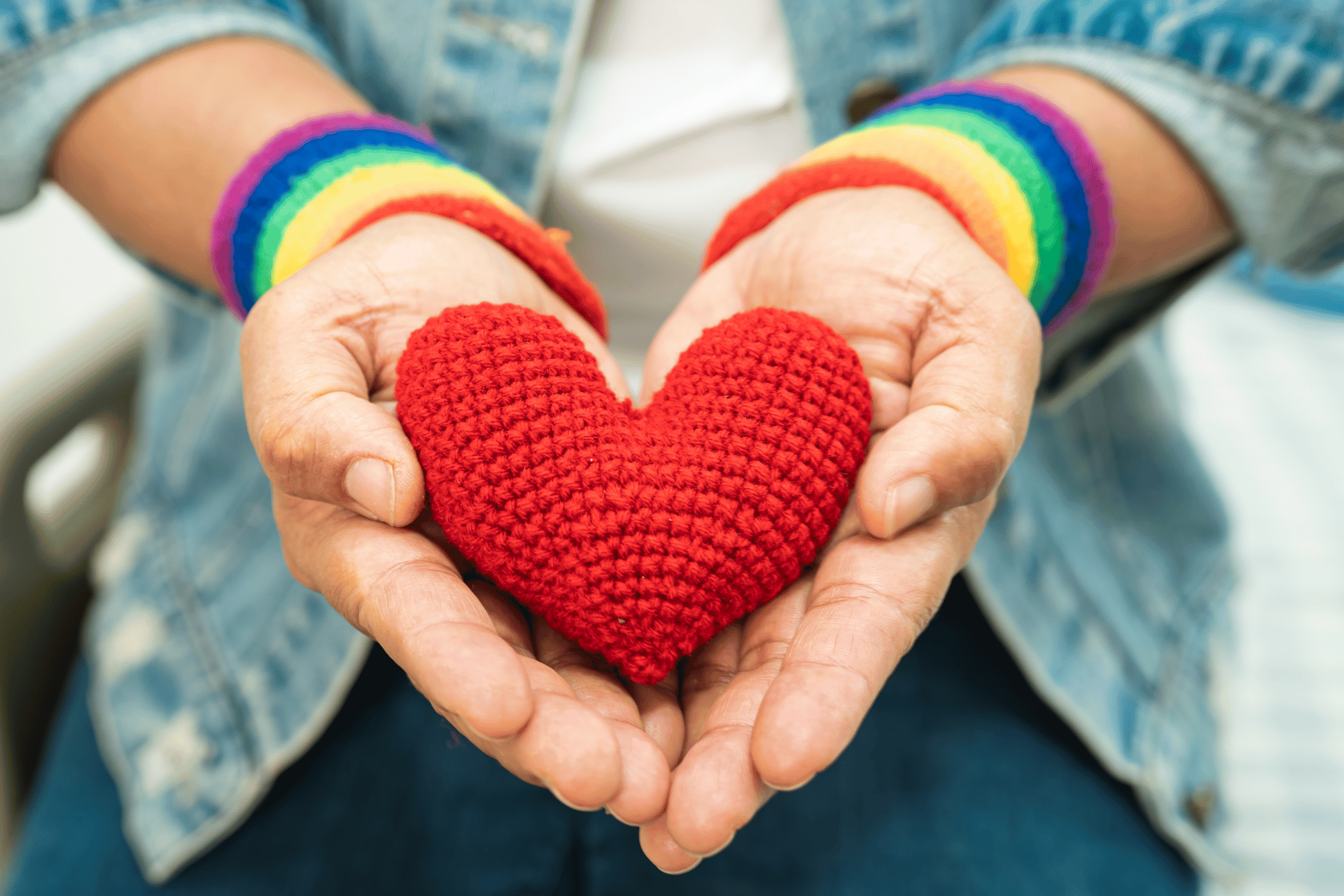
Even in areas where acceptance and inclusivity are high, trans kids and other youth with minority sexual orientations and gender identities can still experience rejection, discrimination, and bullying.

 Lisa Murphy-Church
Even in areas where acceptance and inclusivity are high, trans kids and other youth with minority sexual orientations and gender identities can still experience rejection, discrimination, and bullying.

Teacher burnout is a prevalent issue in the U.S. with broad-reaching implications for students and educators. Recently, three Effective School Solutions (ESS) team members came together on MindBeat, the definitive go-to podcast for all topics related to school-based mental health, to discuss this important issue.

Perhaps more than ever before parents are asking how they can help their children become resilient and self-sufficient adults, and how to instill the “grit” that is needed to thrive in our increasingly complex world. It is not surprising that parents are confused.

A school professional encountering a student who frequently exhibits defiant, angry, or aggressive behavior might have the impulse to label the child as “oppositional” or simply “a problem kid.” It is rare, however, that children and adolescents choose to be difficult.
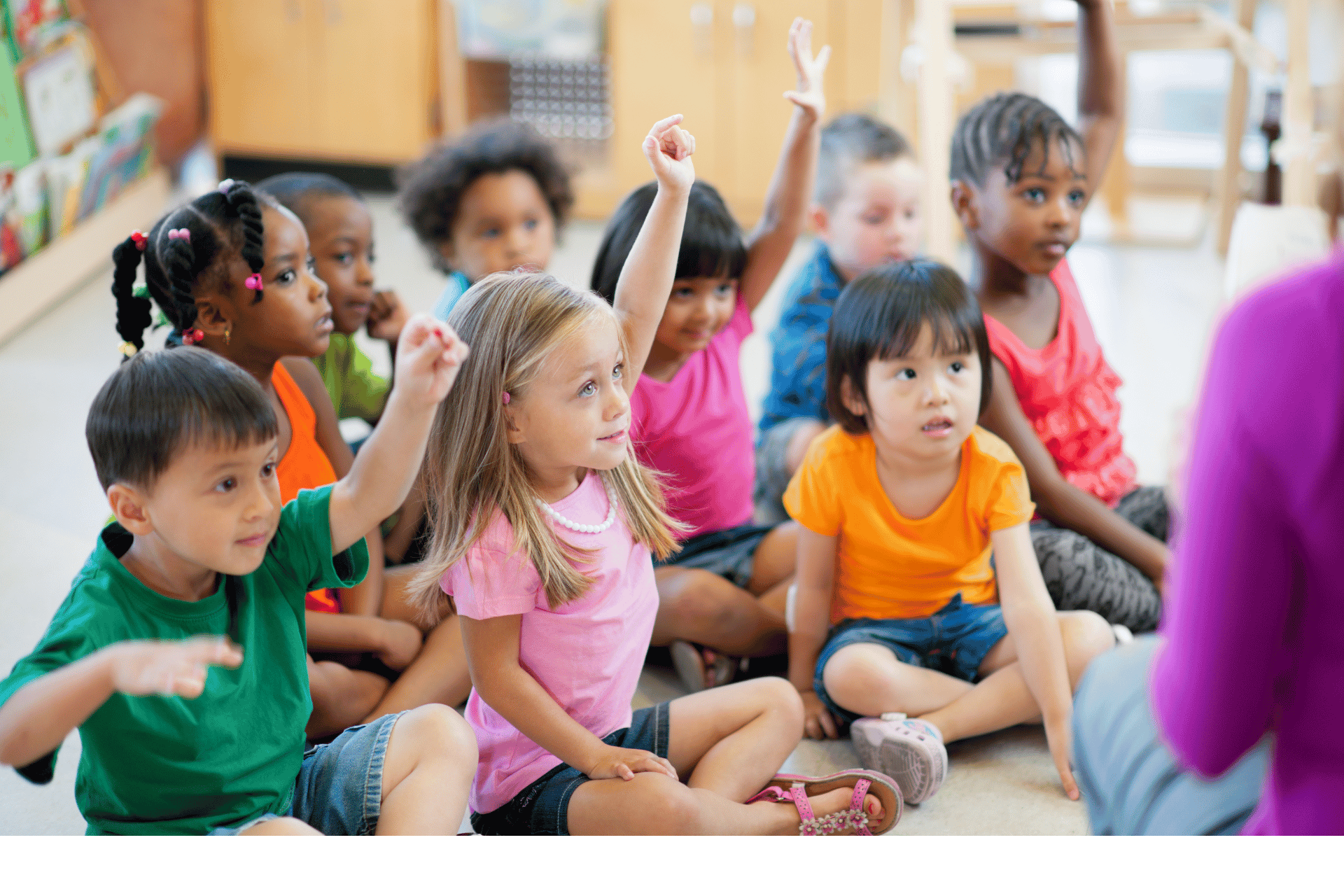
While it’s never too late to intervene to improve childhood mental health disorders, the earlier children receive support, the better.

Strong social connections aren’t simply a nice thing to have. They contribute to well-being and to a full and meaningful life.
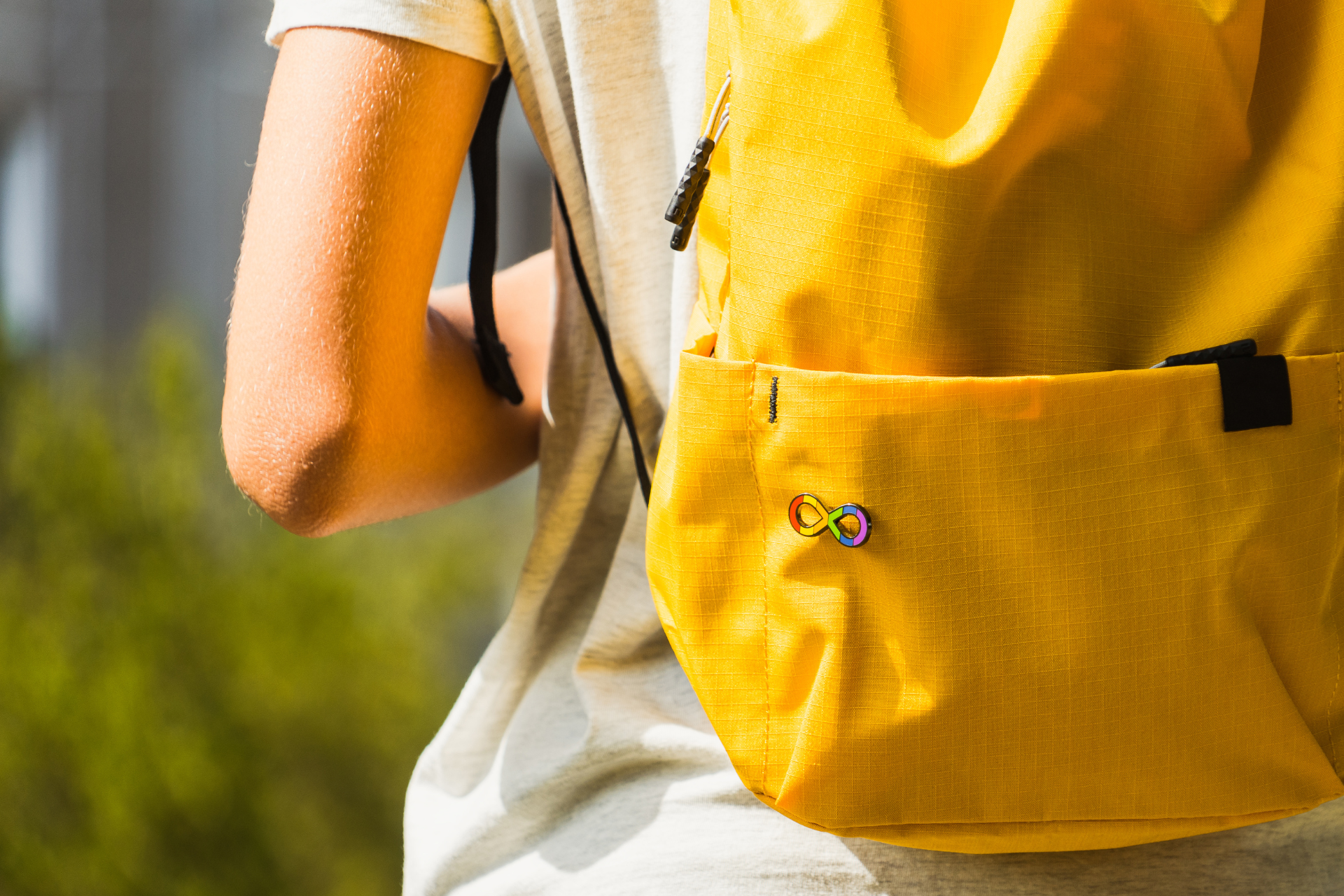
Temple Grandin, autism influencer, advocate, and author of “Visual Thinking: The Hidden Gifts of People Who Think in Pictures, Patterns, and Abstractions”, says, “If I could snap my fingers and be non-autistic, I would not. Autism is part of who I am.”

Parents and educators should not minimize the importance of offering young teens information about the impact of substances on the developing brain and about how to make informed decisions.

The youth mental health crisis has dominated the news in recent years, but American educators and healthcare professionals have also remained vigilant about the risks of substance use and abuse in adolescents.

Sensory spaces can provide children with autism with a place to self-soothe, reduce anxiety, reflect, relax, and prepare for a transition, such as moving to another topic or classroom.